
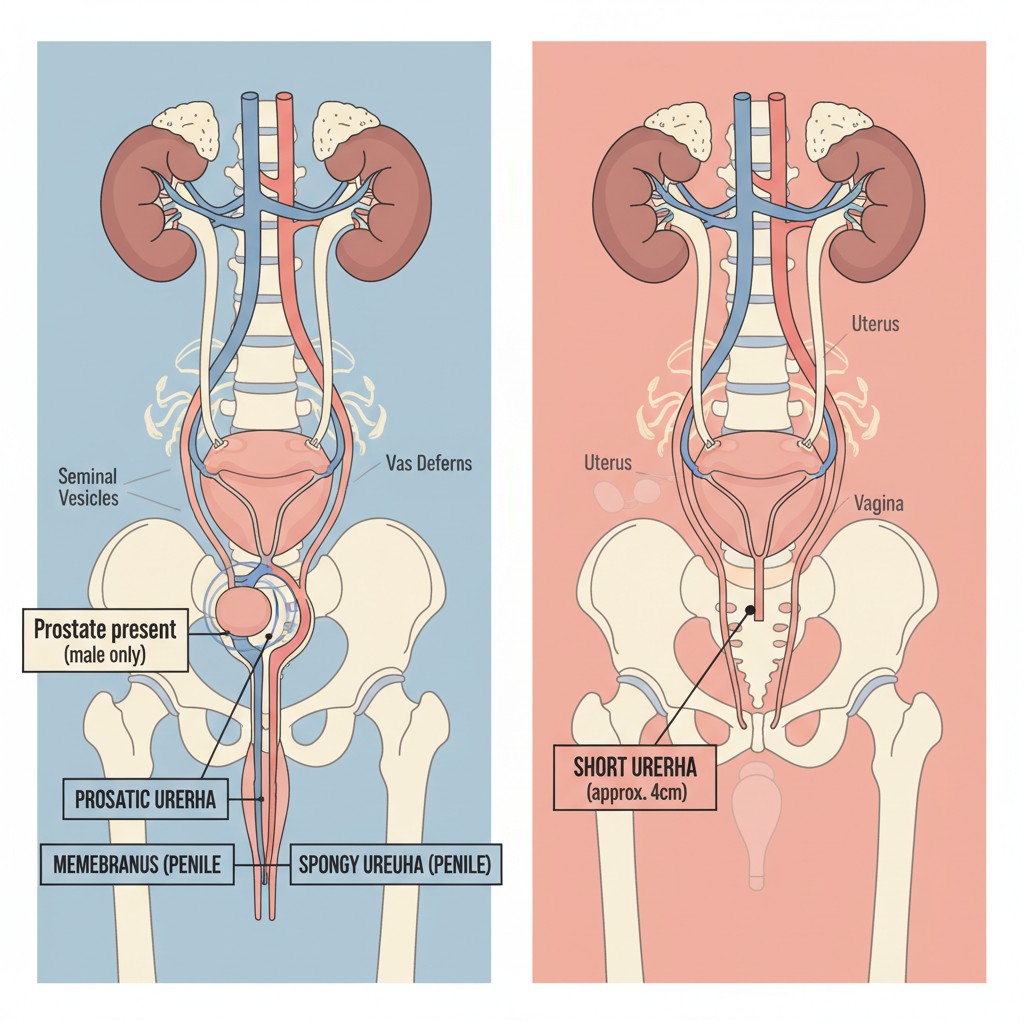
Urinary tract infections (UTIs) are less common in men than in women due to the longer urethra, which makes it more difficult for bacteria to reach the bladder. However, when UTIs do occur in men, they can be more complicated and may require prompt medical attention. Understanding the symptoms...
Kidney stones, also known as nephrolithiasis, are hard deposits made of minerals and salts that form inside the kidneys. They can cause significant pain as they travel through the urinary tract. While small stones may pass without intervention, larger stones can block the flow of urine, leading to...
Receiving a kidney transplant is a life-changing event that can restore health and independence for many people with kidney failure. However, life after transplantation involves ongoing care...
Urethral stricture refers to a narrowing of the urethra, the tube that carries urine from the bladder to the outside of the body. This narrowing restricts the flow of urine, leading to various...
Bladder stones are hard masses of minerals that form in the bladder when urine becomes concentrated, causing minerals to crystallize and clump together. While small stones may pass unnoticed, larger...
Urinary tract infections (UTIs) are common infections that occur when bacteria enter the urethra and bladder. Women are particularly susceptible to UTIs due to their shorter urethra, which makes it...
Kidney Failure: Causes, Symptoms, Diagnosis, and Management Kidney failure, also known as renal failure, occurs when the kidneys lose their ability to filter waste and excess fluids from the blood...
Urethritis is an inflammation of the urethra, the tube that carries urine from the bladder to the outside of the body. It is commonly characterized by painful urination and, in some cases, discharge...
Urinary incontinence is a common condition characterized by the involuntary leakage of urine between bathroom visits. While it can affect individuals of all ages and genders, the impact on daily life...
Urinary tract infections (UTIs) are common in children and occur when bacteria enter the urethra and bladder. UTIs can cause discomfort and, if left untreated, can lead to more serious kidney...
Glomerulonephritis, also known as kidney inflammation, is a group of diseases that damage the glomeruli, which are the filtering units of the kidneys. This damage can lead to impaired kidney function...
Overactive bladder (OAB) is a common condition characterized by a frequent and urgent need to urinate, which can sometimes lead to involuntary urine leakage (urge incontinence). OAB affects both men...
Hantavirus infections, such as those caused by the Puumala virus, are rare viral illnesses that can be contracted from wild rodents. In some parts of the world, including northern Europe, this illness...
Blood in the urine, known as hematuria, can be a concerning symptom. The urine may appear pink, red, or brown, or blood may only be detected during a urine test. While sometimes harmless, hematuria...
Bedwetting, also known as nocturnal enuresis, is a common issue affecting children over the age of five. It refers to involuntary urination during sleep and can be a source of stress and embarrassment...
Introduction Urinary incontinence (UI) is a common yet often underreported condition affecting millions worldwide, with a particularly high prevalence among women and older adults. It is characterized...